
Espresso Martini Recipe
Learn how to make the best espresso martini recipe with vodka, espresso, and coffee liqueur. Easy, frothy, rich, and ready in just 5 minutes.

Martini Recipe Flavors
Click the button below to see more flavors.
I’ve made a lot of cocktails in my kitchen over the years, but the espresso martini is the one I get asked about the most. It’s the drink I bring out when I want to impress guests after dinner, and it’s also the one I make for myself on a random Friday night when I want something that feels a little special.
If you love coffee even half as much as I do, I think this is going to become one of your go-to cocktails too.
This isn’t a fussy recipe. It’s four ingredients, one shaker, and about five minutes of your time. But the results taste like something you’d order at a cocktail bar rich, strong, a little sweet, and topped with that gorgeous golden foam everyone loves about this drink.
What Is an Espresso Martini?
Here’s a fun fact I love sharing: an espresso martini isn’t technically a martini at all. A true martini is gin or vodka with a splash of vermouth. This drink doesn’t have any vermouth in it, it gets its name simply because it’s shaken and served in a martini glass.
What it actually is: a coffee cocktail made from vodka, coffee liqueur, and a fresh shot of espresso, shaken hard with ice until it’s ice-cold, and finished with a thick, foamy top. It’s sweet, a little bitter, boozy, and caffeinated, all in one glass. Think of it as your after-dinner coffee, your dessert, and your nightcap, rolled into one.
The drink first became popular in London in the 1980s, and it’s had a huge resurgence in the last few years you’ll find it on nearly every cocktail menu now, from casual bars to upscale restaurants.
Why You’ll Love This Recipe
- It’s quick. From brewing the espresso to pouring the drink, you’re looking at about five minutes.
- It tastes like a real cocktail bar drink. The balance of coffee, vodka, and sweetness is exactly what you’d get from a professional bartender.
- It’s endlessly adaptable. I’ll walk you through variations for a creamier version, a decaf version, and even a batch version for parties.
- You only need a handful of ingredients. No specialty equipment beyond a cocktail shaker, and no ingredients you can’t find at your regular liquor store.
Key Ingredients & Substitutions
I want to walk you through exactly what goes into this cocktail and why, because a few small choices really do change the final result.
Espresso
Use strong, freshly brewed espresso if you can. I always brew mine in a machine with plenty of crema on top, since that’s part of what gives the finished cocktail its foam. If you don’t own an espresso machine, cold brew concentrate is a good stand-in it just won’t foam quite as much (I’ll explain why below). One thing I’d avoid is instant coffee. It changes the flavor completely and doesn’t taste like a proper espresso martini.
Coffee liqueur
This is what sweetens the drink and deepens that coffee flavor. My personal favorite is Mr. Black, which is a coffee and vodka liqueur with a more grown-up, less sugary profile. If you can’t find it, Kahlúa or Tia Maria both work beautifully. Kahlúa in particular is the classic choice most bartenders reach for.
Vodka
Use whatever vodka you enjoy drinking. It doesn’t need to be a splurge bottle; a smooth, clean vodka is all you need here.
Simple syrup
This rounds out the bitterness of the espresso and balances the strength of the vodka. You can buy it, or make your own at home by simmering equal parts sugar and water until dissolved, then letting it cool completely. Adjust the amount to taste. more if you like it sweeter, less if you want it more coffee-forward.
Coffee beans
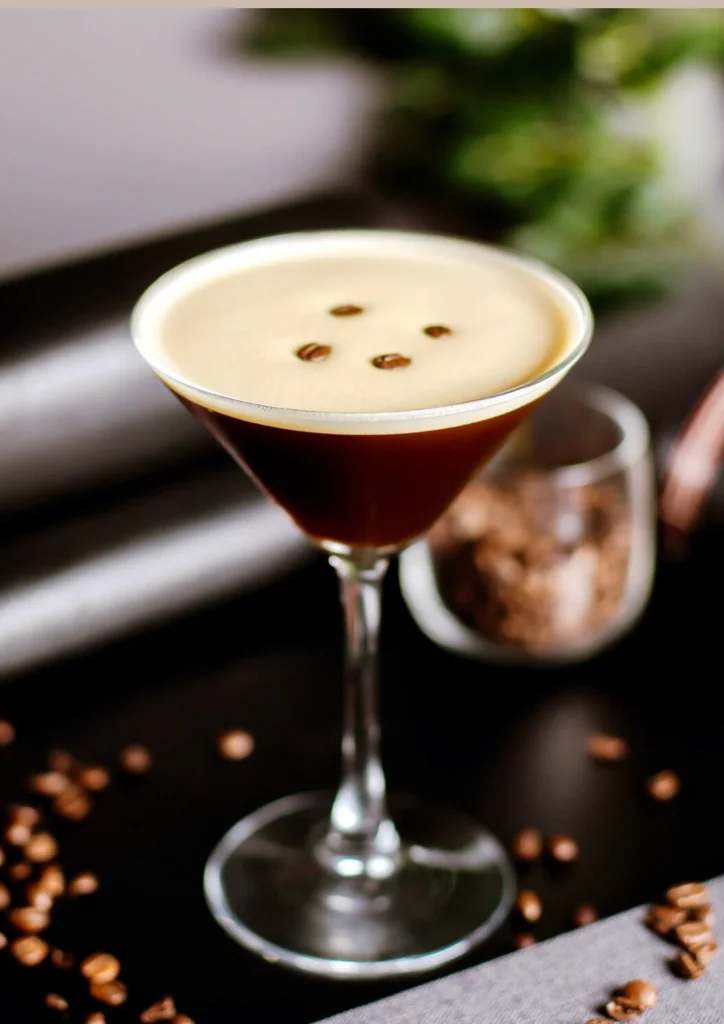
A traditional garnish, and one I never skip. It’s optional for flavor, but it makes the drink look and smell incredible.
Equipment You’ll Need
- Cocktail shaker
- Jigger or measuring tool
- Fine-mesh strainer (or your shaker’s built-in strainer)
- Martini or coupe glass, chilled
What Makes an Espresso Martini Frothy?
This is probably the question I get asked most, so let me put on my science hat for a second.
When you pull a shot of espresso, it naturally produces a light brown foam layer called crema. That crema forms because the high pressure of the brewing process emulsifies carbon dioxide with the natural oils in the coffee. A similar thing happens in your cocktail shaker: when you shake the drink vigorously, tiny air bubbles get trapped by those same coffee oils. When you pour the cocktail into your glass, those bubbles rise to the surface and form that beautiful foam layer on top.
I actually tested this side by side once shaking one espresso martini hard and stirring another with ice instead. The stirred version had almost no foam at all, because stirring doesn’t create the same air bubbles or emulsification that shaking does. The lesson: always shake, and shake hard.
This is also why cold brew doesn’t foam quite as well as fresh espresso the slower brewing process filters out more of the natural oils that trap those air bubbles. It’ll still taste great as a substitute, just with a thinner foam layer.
No espresso machine at home? Add one egg white to your shaker along with the other ingredients, shake for about 15 seconds before adding ice, then add ice and shake again. It won’t change the flavor, but it gives the drink an even richer, more luxurious foam. If raw egg white isn’t your thing, bottled cocktail foam (a couple of drops per drink) works just as well it’s a trick a lot of professional bartenders use.
How to Make an Espresso Martini
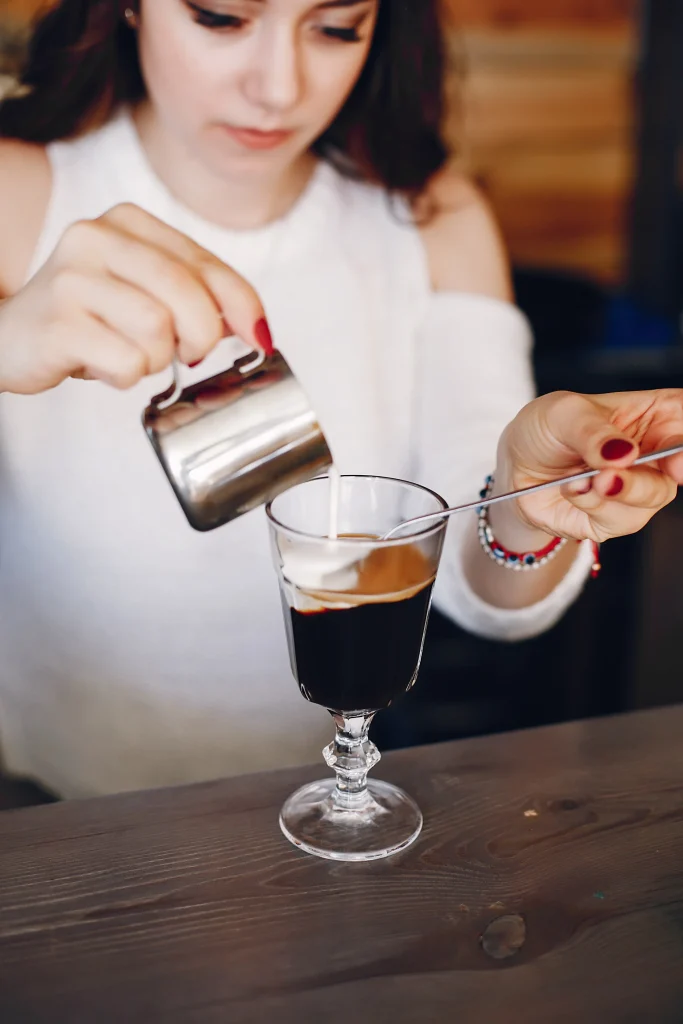
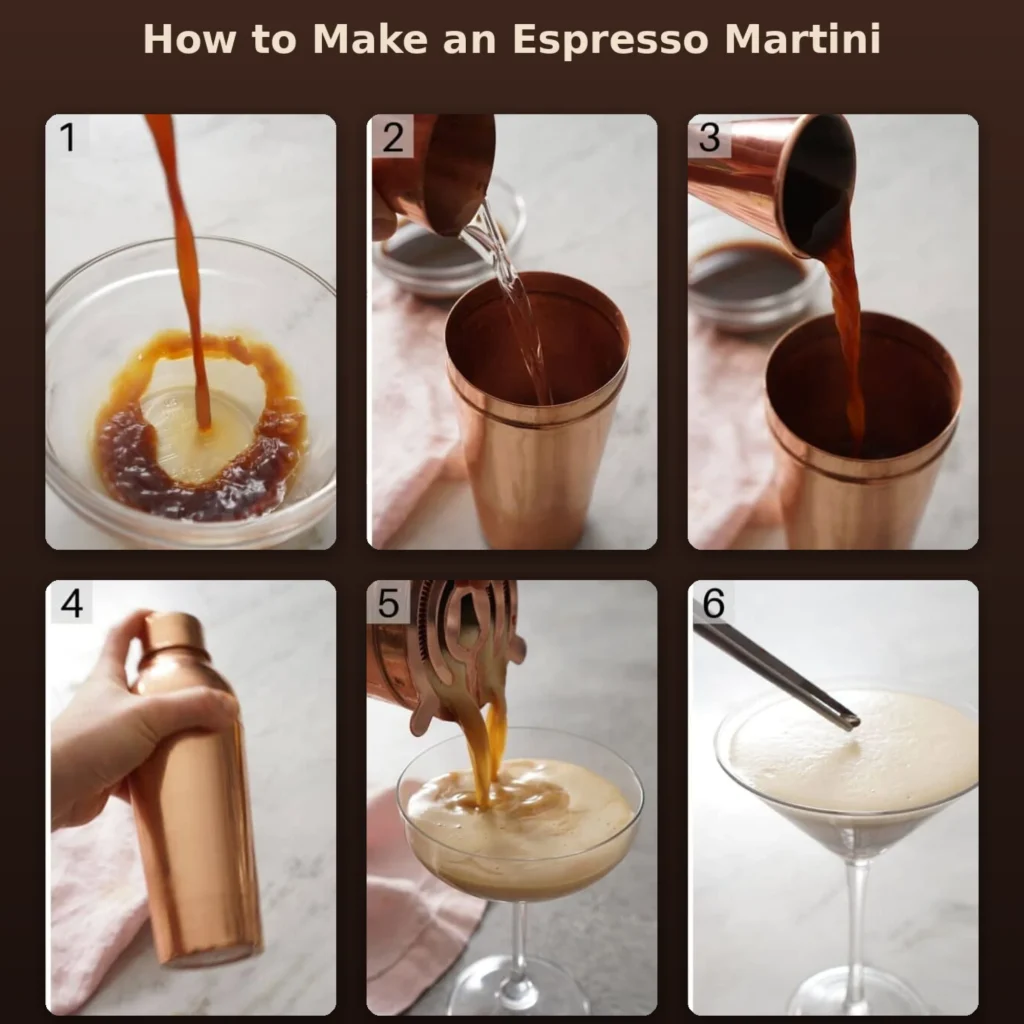
- Brew your espresso first. Pour it into a small bowl or cup so it cools faster. If it’s still hot when you add it to your shaker, it’ll melt your ice and water down the drink.
- Fill your shaker with ice, then add the cooled espresso, vodka, and simple syrup.
- Add the coffee liqueur.
- Seal the shaker and shake hard — really put your whole arm into it — until the outside of the shaker feels frosty, about 15 to 20 seconds. This is the step that creates that foam, so don’t hold back.
- Strain immediately into a chilled martini glass, pouring quickly and smoothly so the foam settles on top instead of staying behind in the shaker.
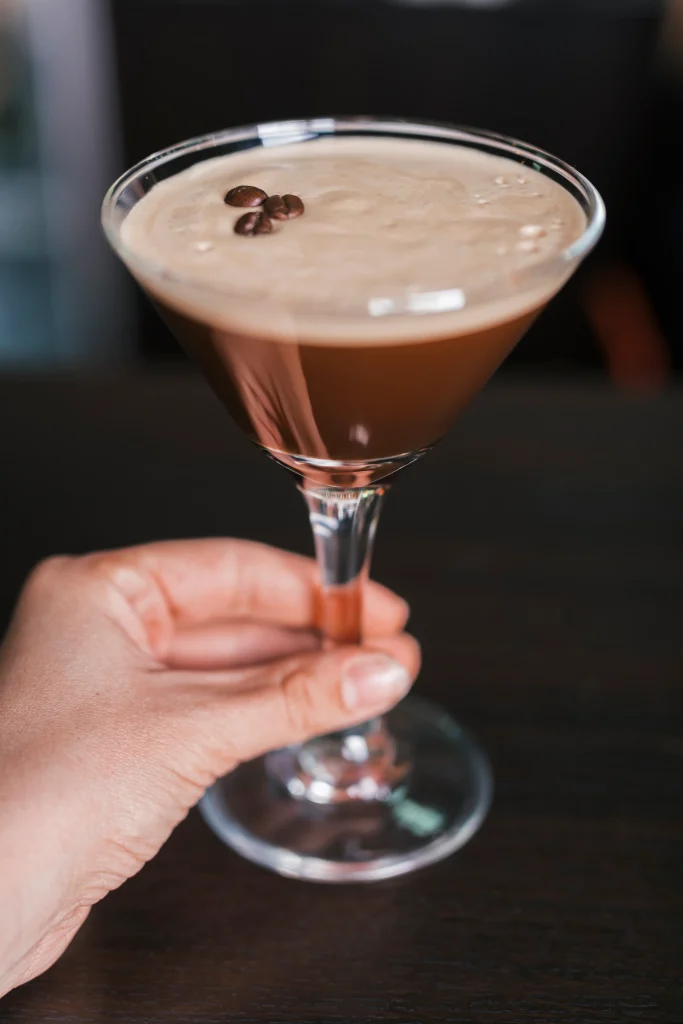
- Garnish with three coffee beans and serve right away, while the foam is at its best.
Espresso Martini Recipe Card
Servings: 1 cocktail Prep time: 5 minutes
Ingredients:
Instructions:
- Combine the vodka, espresso, coffee liqueur, and simple syrup in a cocktail shaker.
- Add ice and shake hard until well chilled and frosty, about 15–20 seconds.
- Strain into a chilled martini glass and garnish with three coffee beans.
Nutrition (approximate, per serving): 220 calories, 17g carbohydrates, 17g sugar. These numbers will shift depending on the exact brands and amounts you use.

Best Vodka Brands for an Espresso Martini in the US
One question I get all the time from readers here in the US is which vodka to actually reach for at the liquor store. The good news is you don’t need anything fancy — any clean, smooth vodka you’d be happy sipping on its own will work well here. A few of my go-to picks that are easy to find at pretty much any US liquor store:
- Tito’s Handmade Vodka — a favorite for a reason: smooth, affordable, and made in Texas.
- Ketel One — a classic choice with a crisp, clean finish that doesn’t compete with the coffee flavor.
- Grey Goose — a slightly more premium option if you want to treat yourself.
- Absolut — budget-friendly and widely available, a solid everyday pick.
As for coffee liqueur, Kahlúa is the easiest to find in any US grocery or liquor store, while Mr. Black (an Australian import that’s become popular stateside) is worth seeking out if you want a less sugary, more coffee-forward cocktail.
Pro Tips for the Perfect Espresso Martini
- Chill your glass in advance. I like to pop mine in the freezer for at least 15–20 minutes before I start mixing. It keeps the finished drink colder for longer.
- Cool your espresso before it goes in the shaker. Hot espresso melts ice quickly, which waters down your cocktail and throws off the balance.
- Don’t be gentle with the shake. A soft shake won’t give you the foam you’re after. Shake like you mean it.
- Pour fast. The longer a shaken cocktail sits before you strain it, the more of that foam you lose. Pour it into the glass as soon as you’re done shaking.
Espresso Martini Variations & Serving Ideas
Once you’ve made the classic version a few times, these are some of my favorite ways to switch it up:
- Creamy espresso martini: Swap 1 oz of vodka for Baileys or another Irish cream liqueur for a richer, dessert-like version.
- Different spirits: Not a vodka fan? I’ve made this with bourbon, tequila, mezcal, and rum, and each one gives the drink a completely different character.
- Decaf espresso martini: Great for an after-dinner treat when you don’t want the caffeine keeping you up.
- Frozen espresso martini: Blend the ingredients with ice instead of shaking for a slushy, frozen version perfect for warm weather.
- Non-alcoholic espresso martini: Swap the vodka and coffee liqueur for a non-alcoholic spirit alternative and a splash of coffee syrup so you don’t miss out on the flavor.
- Dress up your garnish: Instead of coffee beans, try dusting the top with cocoa powder, cinnamon, or finely ground espresso.
- Add a chocolate swirl: Drizzle a little chocolate syrup inside the glass before pouring for a striking presentation.
Making a Batch for a Party
If you’re serving a crowd, you don’t need to shake individual drinks all night. Multiply the vodka, espresso, coffee liqueur, and simple syrup by however many servings you need, and mix everything together ahead of time (minus the ice). Keep it in the fridge, and when you’re ready to serve, shake individual portions with ice right before pouring so each glass still gets that fresh foam on top. This is exactly how I handle it when I’m hosting nobody wants to be stuck shaking drinks all night instead of enjoying the party.
What Do the Three Coffee Beans on Top Mean?
I get asked this often enough that it’s worth explaining. The tradition of garnishing a coffee cocktail with three beans actually comes from Italy, where it was originally used on sambuca and called La Mosca, meaning “the fly.” The three beans are said to represent health, wealth, and happiness — a nice little detail to share with guests when you serve this drink.
More Cocktail Recipes to Try
If you enjoyed this one, a few more coffee and vodka-based cocktails worth trying are a classic martini made with vodka or gin and a splash of vermouth, a French martini made with raspberry liqueur and pineapple juice, and a lemon drop martini for something brighter and more citrus-forward. Each one is just as easy to make at home as this espresso martini, and they’re all great additions to your cocktail rotation.
Espresso Martini Recipe
